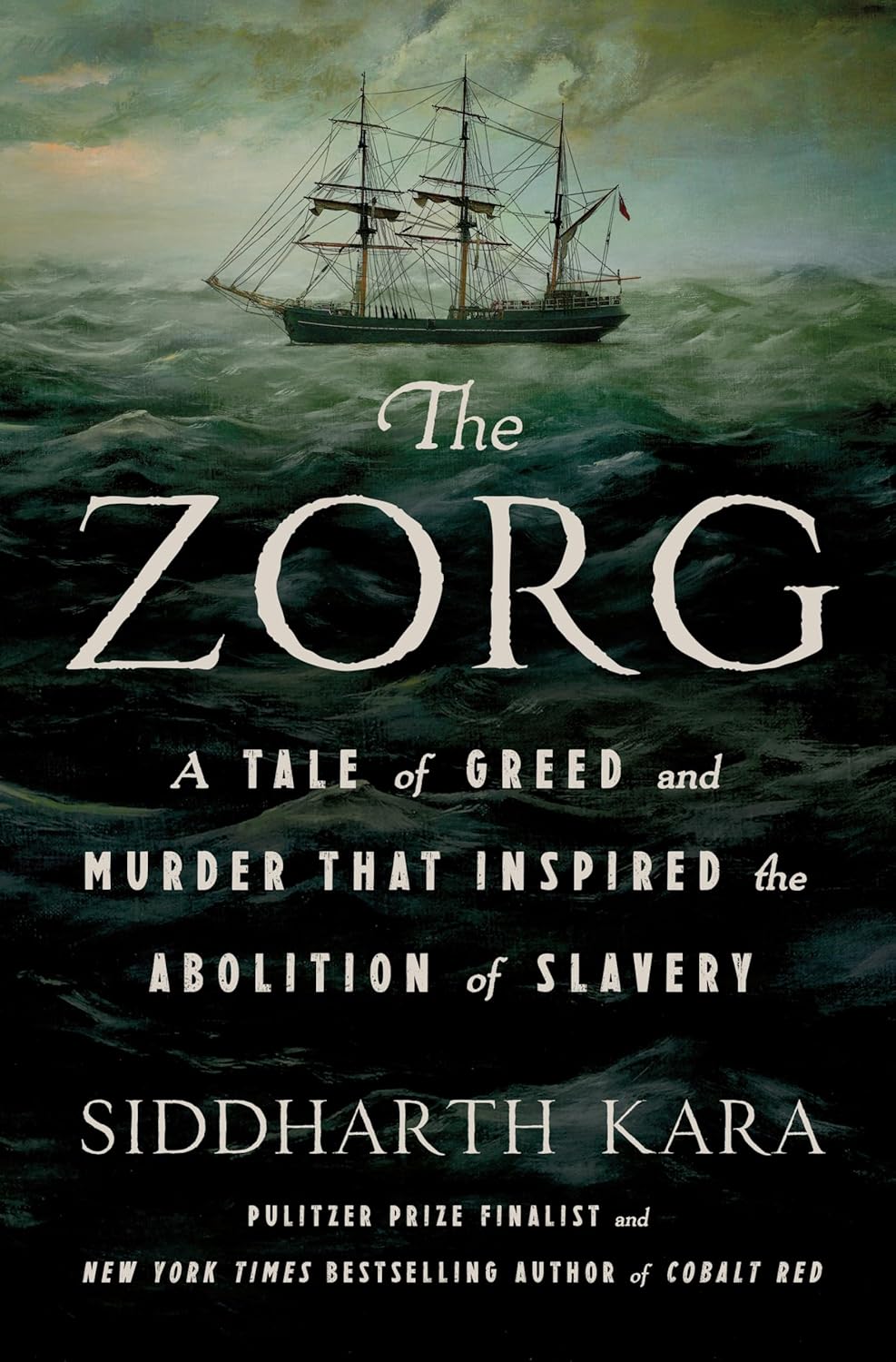
The Zorg: A Tale of Greed and Murder That Inspired the Abolition of Slavery
A harrowing and meticulously researched account of the 1781 slave ship Zorg, whose crew threw enslaved Africans overboard for insurance money. The trial that followed helped ignite the abolitionist movement in England and the United States. Reads like a thriller while honoring the lives lost.
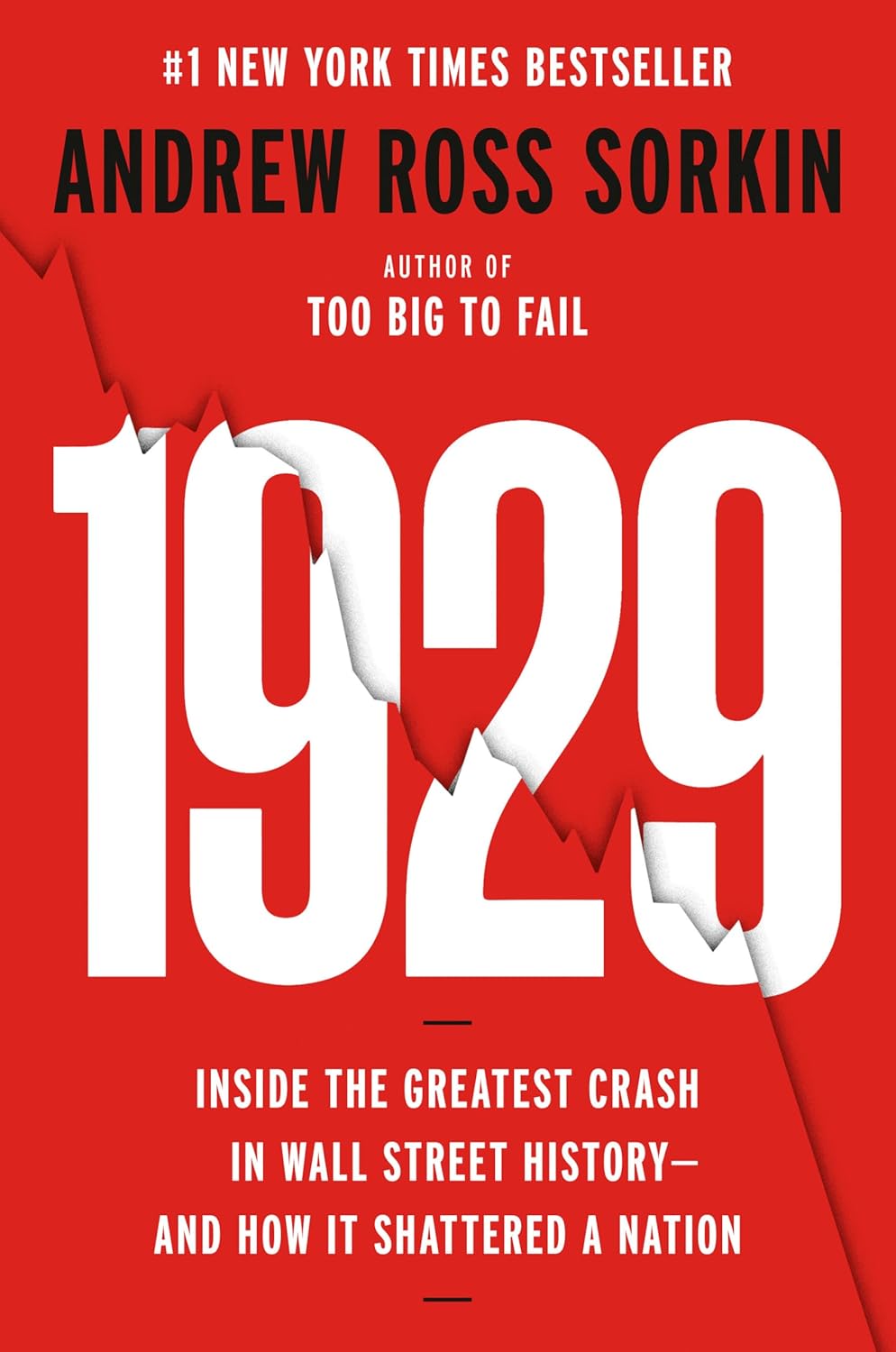
1929: Inside the Greatest Crash in Wall Street History — And How It Shattered a Nation
A gripping narrative history of the 1929 stock market crash from the author of Too Big to Fail. Sorkin unravels the greed, blind optimism, and human folly that led to an era-defining collapse — told through unforgettable characters and packed with parallels to today’s markets.
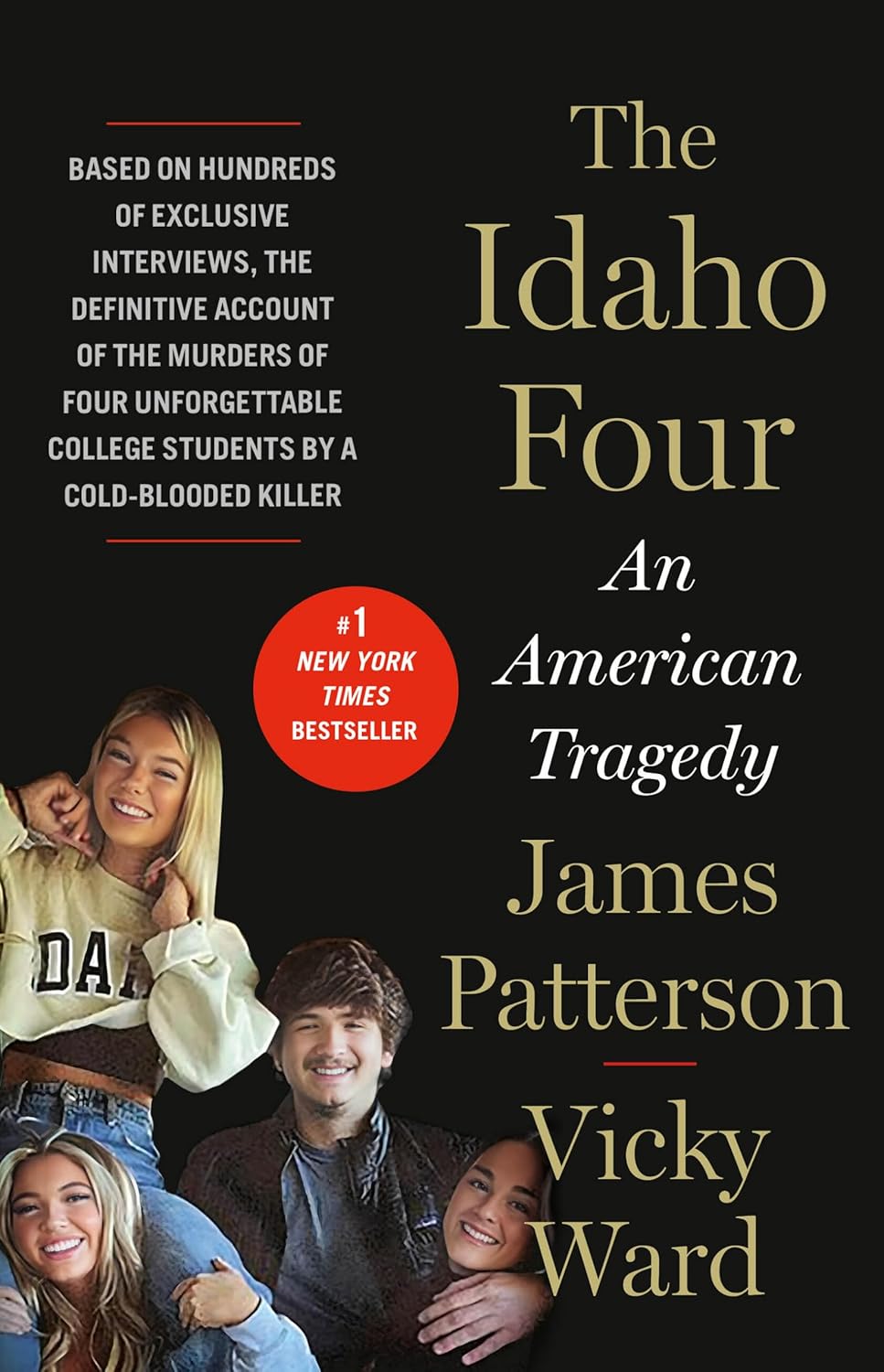
The Idaho Four: An American Tragedy
An instant #1 New York Times bestseller chronicling the November 2022 murders of four University of Idaho students in Moscow, Idaho. Patterson and Ward deliver a vivid portrait of the victims, the investigation, and the impact on two small college towns — with new reporting on the killer’s plea deal and motives.
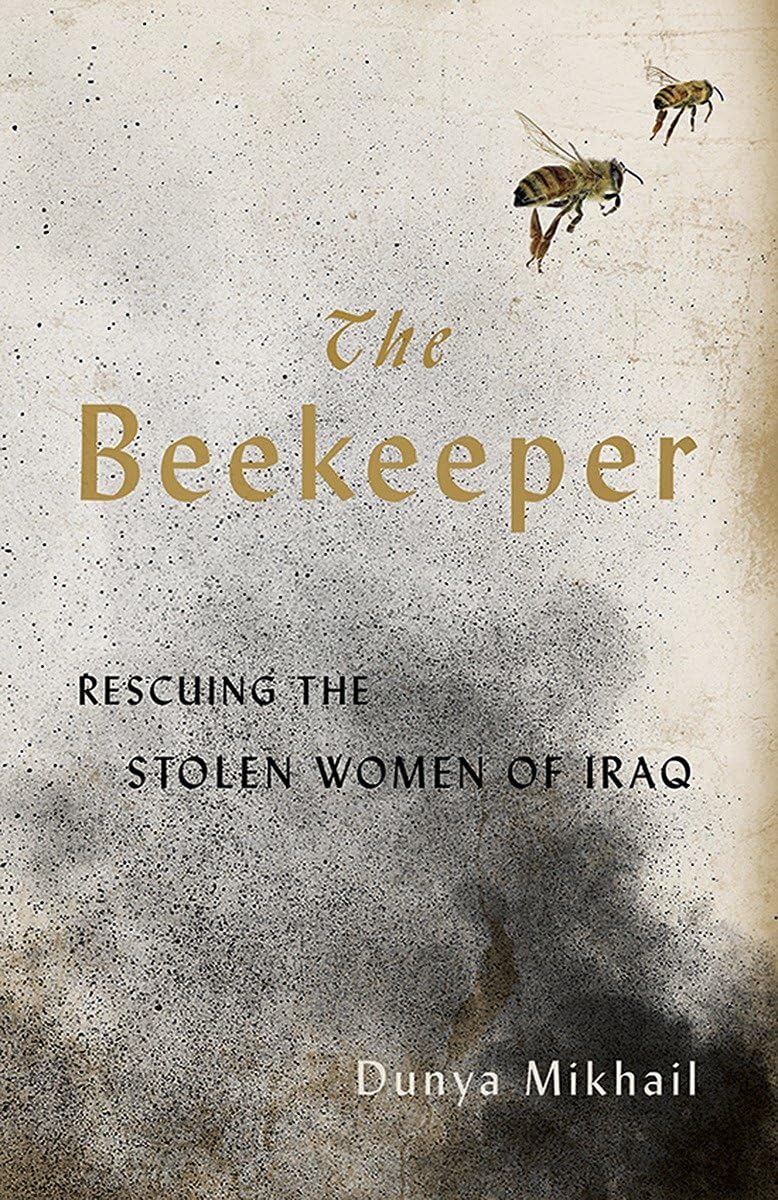
The Beekeeper of Sinjar: Rescuing the Stolen Women of Iraq
A powerful work of nonfiction that tells the true story of Abdullah Shrem, an Iraqi beekeeper who used his knowledge of the mountain terrain and a secret network of smugglers to rescue Yazidi women enslaved by ISIS. Iraqi-American poet Dunya Mikhail weaves together the survivors’ testimonies with her own story of exile, creating a searing portrait of courage in the face of unimaginable brutality. A finalist for the National Book Award.
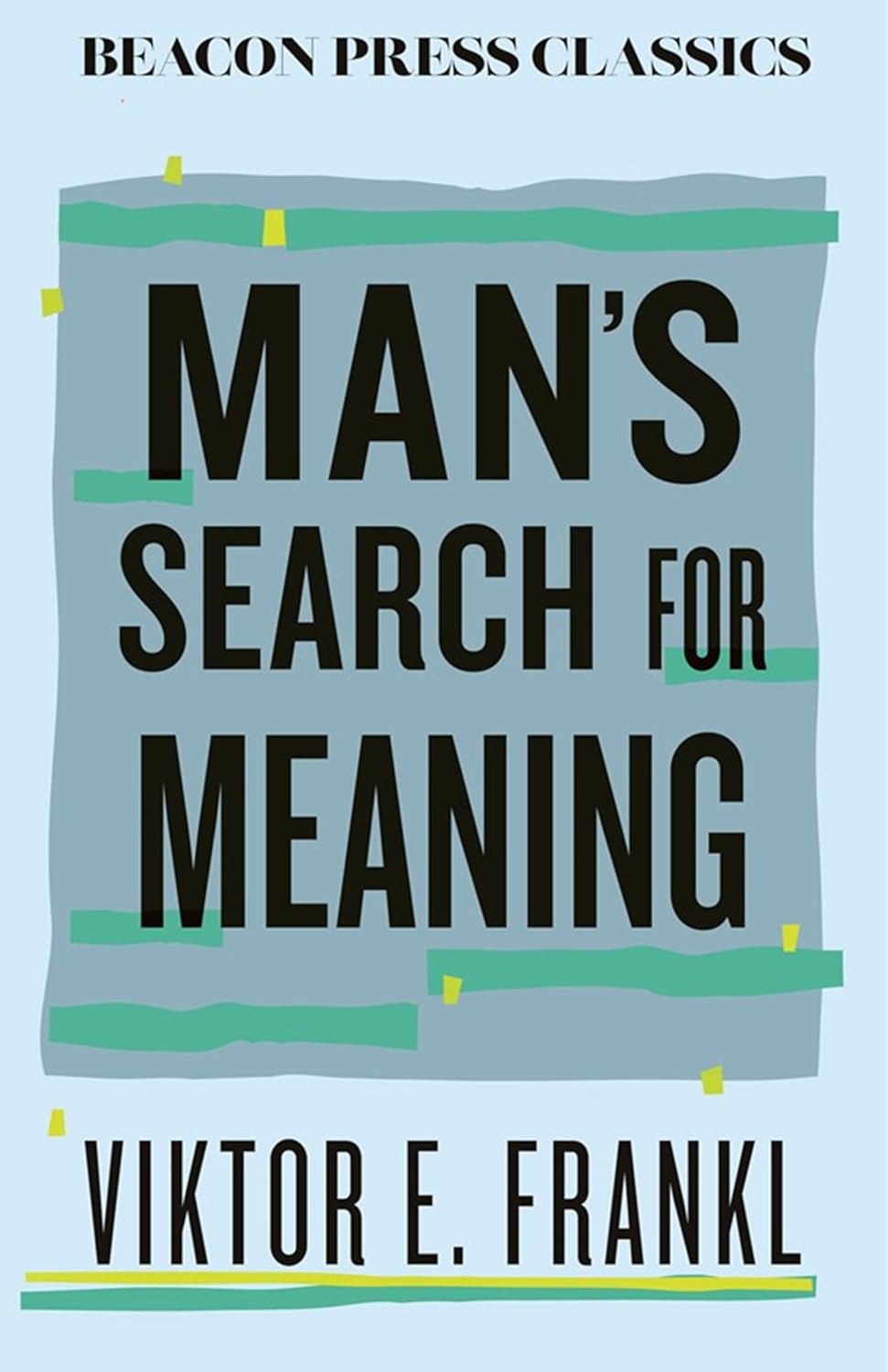
Man’s Search for Meaning
One of the most influential books ever written. Austrian psychiatrist and Holocaust survivor Viktor Frankl draws on his experience in Nazi concentration camps to explore how humans find purpose amid suffering. The first half is his harrowing memoir of Auschwitz and Dachau; the second introduces logotherapy — his belief that meaning, not pleasure or power, is our deepest drive. As Frankl writes, quoting Nietzsche: “He who has a why to live for can bear almost any how.”